Fabric Shopify Theme Review: A Free, Modular Storefront Built For Modern Brands
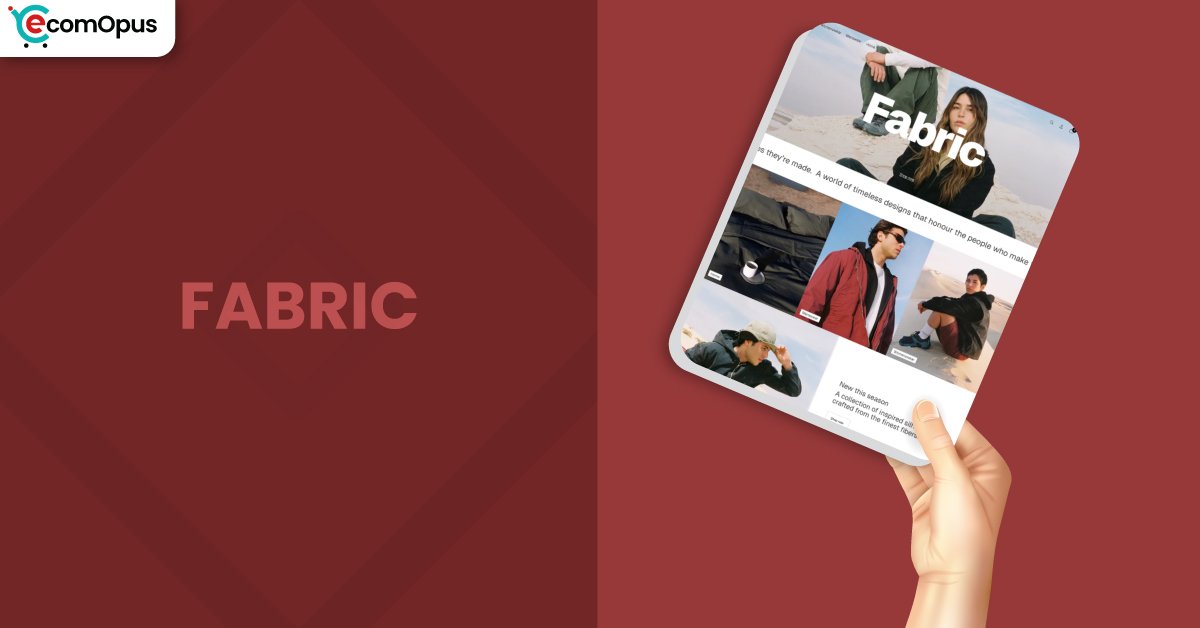
Fabric Shopify Theme is a FREE Shopify theme that leans into modular sections, strong visual hierarchy, and flexible page building. Team eComOpus found it best for merchants who want a premium look without paying upfront.
- FREE Shopify theme designed for image-led merchandising and clean brand presentation
- Modular section system that supports gradual storefront evolution without constant redesign
- Strong product page structure for storytelling, specs, and conversion-focused layouts
- Built-in options that reduce dependency on cosmetic apps and heavy page builders
- Best results come from disciplined media choices and a lean Shopify app stack
- Active improvement signals through ongoing fixes and merchant-facing support responses

Introduction
Team eComOpus tested Fabric Shopify Theme by building a demo store, creating collections, configuring product templates, and simulating the shopper journey on mobile and desktop. Fabric feels bold for a FREE Shopify theme because it encourages structure and intentionality rather than leaving everything open-ended. It gives you a modern skeleton, then expects you to add muscle in the form of content, photography, and clean merchandising choices.
Merchant feedback supports that overall impression. One reviewer described Fabric as “visually impressive, clean, modern, and beautifully designed,” which matches what we saw when we built a homepage and a set of product templates from scratch. Another merchant summed up the upside in a more emotional way, saying they were “constantly finding new hidden gems,” and that is exactly how Fabric feels once you explore deeper settings and blocks.
Fabric Shopify Theme is not a one-click makeover. It is a system. If you like structured building and you want a theme that can scale with your storefront habits, Fabric is a strong starting point. If you want a theme that never asks you to think about templates, dynamic sources, or layout rhythm, you will need patience or a simpler option.
Ideal For Niches With Supporting Features
Fabric Shopify Theme works across industries, but it clearly favors niches where visuals, brand tone, and structured browsing matter. During our testing, we noticed Fabric performs best when merchants use it to create a predictable shopping rhythm. That means clean collections, consistent photography, and a clear content hierarchy on product pages. The table below highlights niches that align naturally with Fabric and the theme features that support those use cases.
| Niches | Supporting Features | Why They Matter? |
|---|---|---|
| Fashion and Apparel | Image-first grids, variant swatches, clean product templates | Apparel shoppers scan quickly and rely on visuals, so Fabric keeps browsing smooth and comparison-friendly. |
| Beauty and Skincare | Structured product info blocks, calm spacing, strong hierarchy | Trust improves when benefits and details are organized, and Fabric helps reduce decision fatigue on Shopify. |
| Lifestyle and DTC Brands | Storytelling sections, editorial spacing, flexible homepage blocks | Lifestyle stores sell mood and identity, and Fabric supports narrative without burying products in clutter. |
| Home and Decor | Spacious layouts, large media support, consistent sections | Decor products need breathing room, and Fabric keeps presentation premium when images are consistent. |
| Curated Mid-Size Catalogs | Predictable navigation, scalable templates, strong collection browsing | Merchants can expand collections without rewriting layout logic, which reduces rework as a Shopify store grows. |
Presets
Fabric Shopify Theme is a standalone Shopify theme with no preset variations. Instead of offering multiple preset personalities, it provides one cohesive design system that you shape through sections, typography, and color settings. As a FREE Shopify theme, it is built to be customized gradually, so you can refine the storefront in draft and publish only when the experience feels consistent.
Key Features And Highlights
Features only matter when they change outcomes. Team eComOpus evaluated Fabric Shopify Theme by asking a practical question: does this feature reduce friction for shoppers or reduce workload for merchants. Fabric’s best tools are the ones that keep your store organized as you grow, especially if you want to avoid stacking too many apps. The table below breaks down the most important features and explains why they matter in real Shopify stores.
| Features | What It Is And Why It Matters? |
|---|---|
| Modular section architecture | Fabric relies on rearrangeable blocks that keep spacing and hierarchy consistent. This helps merchants evolve pages without breaking design rhythm or rebuilding layouts. |
| Flexible product templates | Different products can use different template structures, which prevents a one-size product page from feeling repetitive. This becomes more valuable as your Shopify catalog expands. |
| Variant swatches and picker controls | Swatches improve clarity for color-heavy products and reduce selection mistakes. When we tested setup properly, the buying flow felt more confident and faster. |
| Cart drawer flow | The cart drawer keeps shoppers in motion, which supports add-on behavior. It also reduces the “back button chaos” that can happen in some Shopify storefronts. |
| Image-forward collection grids | Collections feel designed rather than dumped in a warehouse grid. This improves perceived value when your photography is consistent and your catalog is curated. |
| Built-in content blocks | Fabric includes native ways to add highlights, FAQs, and structured content without heavy layout tools. This can reduce monthly app spending and simplify maintenance. |
| Responsive layout behavior | Sections adapt cleanly across screen sizes when images are sized intentionally. This matters because most Shopify traffic arrives on phones, not desktops. |
| Navigation foundation | Menus feel clean when kept concise, and the header supports a modern browsing feel. For large catalogs, planning your taxonomy matters more than adding complexity. |
| App block compatibility | Fabric generally plays well with common Shopify apps, but it rewards restraint. A lean app stack usually leads to fewer conflicts and better mobile interactions. |
| Ongoing refinement posture | Merchant-facing replies suggest active troubleshooting and improvement cycles. That matters because Shopify themes are living tools, not static downloads. |
Theme Experience!
Theme experience is the difference between a store that looks good and a store that sells comfortably. Team eComOpus tested Fabric Shopify Theme as shoppers would, browsing collections, opening product pages, changing variants, adding items to cart, and returning to browsing. Fabric’s experience is strongest when the store stays structured. When merchants fight the system or overload pages, the experience becomes less predictable. The table below captures how Fabric feels in the moments that matter.
| Experience Area | What Shoppers Feel In Practice? |
|---|---|
| First impression | The storefront feels modern and intentional, especially with strong hero imagery and clean typography choices. Shoppers are likely to scroll because the layout feels composed. |
| Collection browsing | Products are easy to scan and grids feel readable rather than cramped. Discovery works best when collections are curated and not overloaded with inconsistent imagery. |
| Product discovery flow | The path from collections to product pages feels smooth and logical. When we tested with clear category structure, shoppers stayed oriented instead of feeling lost. |
| Mobile navigation | Menus feel stable when the top-level structure is short and grouped well. Deep nesting can increase friction, so mobile-first planning matters on Shopify. |
| Product page confidence | Information can be structured into blocks so essentials show up early and deeper details come later. This supports trust for shoppers who need reassurance before buying. |
| Cart and checkout momentum | The cart drawer keeps intent alive by avoiding unnecessary page breaks. When configured cleanly, it supports quick edits and smooth continuation of browsing. |
| Brand storytelling | Fabric supports content sections that add context without overpowering product grids. Storytelling works best when copy is concise and paired with clear visuals. |
Performance, Explained!
Fabric Shopify Theme shows a clear split between mobile and desktop performance behavior. Desktop performance is strong and interactions feel sharp, which makes browsing feel effortless. Mobile results are more sensitive, especially around interaction timing, which can impact the Core Web Vitals pass status even when the page looks visually fast. The key idea is that Fabric can be fast, but it stays fast when you keep media and apps disciplined.
| Performance Parameters | Mobile | Desktop | Remarks |
|---|---|---|---|
| Performance Score | 75/100 | 97/100 | Desktop is excellent, while mobile depends on build discipline and script weight. |
| First Contentful Paint (FCP) | 1.0 s | 0.9 s | Initial content appears quickly on both, supporting a strong first impression. |
| Largest Contentful Paint (LCP) | 2.0 s | 1.7 s | LCP is solid, but large hero media can push mobile into slower territory. |
| Cumulative Layout Shift (CLS) | 0 | 0.03 | Layout stability is strong, reducing mis-taps and improving trust during scroll. |
| Time to Interactive (TTI) | Not highlighted | Not highlighted | TTI often shifts with apps, so measure after installing marketing and tracking tools. |
| Speed Index | Not highlighted | Not highlighted | Speed Index is not shown here, but fast FCP and LCP suggest smooth visual pacing. |
In plain terms, the metric that matters most here is interaction responsiveness. Mobile interaction is closer to the “needs improvement” boundary, while desktop feels instant. This explains why some merchants describe the theme as fast, while others report sluggish behavior when their store is heavier.
For quick wins, treat the first screen like a minimalist stage. Use one primary hero image, compress it, avoid autoplay video above the fold, and keep font weights limited. Then audit apps that inject scripts into navigation, cart, and product pages, because those scripts often affect mobile interactions the most.
Pricing
Fabric Shopify Theme is priced at $0, which makes the decision far less risky than choosing a paid Shopify theme before your store has proven traction. You can install it, customize it in draft, and only publish when you are confident the experience is stable. The license applies per storefront, which is standard for Shopify themes. The real ROI comes from avoiding paid theme costs and reducing app dependency, especially if you use Fabric’s native sections instead of layering extra design tools.
Stores Build with Fabric Shopify Theme
Looking at real stores helps you understand how Fabric behaves outside a demo environment. Live stores reveal how the theme holds up with imperfect content, evolving catalogs, and real merchandising decisions. Team eComOpus uses this step to spot patterns in navigation, collection density, and product page structure. Based on the merchant review context provided, here are store names associated with positive experiences using Fabric Shopify Theme.
- SUHISU
- Pookalu Co
- SOLOMÉ BEAUTY
- Padel USA
- Kyren Store
- Gardeot
- Line and Kind Paper Co.
Themes Similar to Fabric
Comparing themes early saves you time later, because switching themes can be expensive in effort even if the theme price is $0. Team eComOpus selected alternatives that share a modern Shopify-native approach, but with different emphasis in flexibility, merchandising, and simplicity. The table below includes both free and paid options, because sometimes paying makes sense if the feature depth matches your workflow.
| Shopify Theme | FREE or Paid? | Why is it Similar? |
|---|---|---|
| Dawn | FREE | A flexible baseline Shopify theme that prioritizes speed and broad compatibility. It is simpler and often easier for beginners than Fabric. |
| Horizon | FREE | A modern, block-driven theme approach that leans into contemporary layout ideas. It can feel more experimental, while Fabric feels more structured. |
| Craft | FREE | Calm, editorial presentation and strong storytelling support. It is often more forgiving if you want a simpler, boutique browsing flow. |
| Refresh | FREE | Clean, brand-forward layout system with approachable customization. It offers structure, but generally feels less ambitious than Fabric. |
| Impulse | Paid | Designed for promotion-heavy stores that want stronger marketing tools baked in. It is a good alternative if you run frequent campaigns and sales. |
Pros and Cons
Pros and cons should clarify fit, not create fear. Team eComOpus pulled these points from merchant review patterns and from what we observed during testing. Fabric’s upside is its modern structure and premium feel for a FREE Shopify theme. The considerations show up when merchants push the theme too hard with heavy scripts or expect everything to be editable without learning templates. The table below keeps this balanced and practical.
| Pros | Cons |
|---|---|
| Modern design system makes Shopify storefronts feel premium quickly, especially with consistent photography and clean typography choices. | Mobile interaction can feel less responsive if many apps inject scripts into cart, menu, and product templates. |
| Modular sections and templates support scalable building, so merchants can evolve layouts without rebuilding pages from scratch repeatedly. | Certain edits require understanding templates and dynamic sources, so beginners may need a short learning phase. |
| Built-in content blocks reduce reliance on cosmetic apps, which helps performance and long-term maintainability. | Cart behavior should be tested carefully after changes, especially when third-party cart or tracking apps are installed. |
| Strong desktop performance creates a fast browsing feel that supports confident navigation and quick product comparison. | Some advanced visual tweaks still require light code work if you want very specific behavior beyond the editor. |
| FREE pricing preserves budget for product photos, content, and marketing, which often lifts conversion more than theme spend. | Consider keeping the first screen light on mobile so LCP and interaction timing stay stable. |
Our Rating
A rating is only useful if the criteria match real outcomes. Team eComOpus scores Shopify themes based on hands-on setup, shopper experience, scalability, and merchant feedback patterns. We also consider the cost of complexity, because a theme that demands constant debugging rarely pays off. The table below summarizes our ratings and explains what each score means in practice.
| Parameters | Our Ratings | Summary |
|---|---|---|
| Feature Depth | 4.4/5.0 | Fabric includes a surprisingly deep toolkit for a FREE Shopify theme, especially in modular layouts and structured templates. Most stores can launch without heavy design apps. |
| Design and Customization | 4.5/5.0 | The design system feels modern and confident, and small changes create meaningful brand difference. It rewards structured decisions more than experimental chaos. |
| Performance | 4.0/5.0 | Desktop performance is excellent and feels snappy, while mobile interaction needs careful discipline. Optimized media and fewer scripts keep it smooth. |
| Value for Money | 5.0/5.0 | At $0, the value is undeniable for Shopify merchants who want a premium baseline. Savings often show up as delayed paid-theme upgrades and fewer cosmetic apps. |
| Support and Updates | 4.1/5.0 | Merchant discussions suggest active guidance and steady improvements. Keeping customizations update-safe will help you benefit from those fixes long-term. |
| Overall | 4.3/5.0 | Fabric Shopify Theme is a strong choice for merchants who want modern structure and are willing to build intentionally. It can feel premium when configured with discipline. |
User Reviews: What Merchants Say
Merchant feedback on Fabric Shopify Theme often divides into two groups: merchants who love the look and flexibility, and merchants who hit friction when they expect every page element to behave like a page builder. The design praise is consistent. People describe it as modern, premium-feeling, and flexible, which aligns with Team eComOpus testing when the theme is set up cleanly.
The recurring complaints tend to cluster around cart behavior, mobile interactions, and confusion around how Shopify templates and dynamic sources work. In many cases, support responses point merchants toward configuration fixes rather than theme limitations, which suggests issues can be situational. That is also why we recommend keeping the app stack lean, because app conflicts often look like theme problems in a Shopify store.
What is notably rare is merchants saying Fabric looks cheap or outdated. Even when someone reports a problem, they often still acknowledge the theme’s visual polish. That combination is important because it means the core design is strong, and many issues can be reduced with better setup habits and careful testing.
Our Verdict
Fabric Shopify Theme is a modern, structured, and surprisingly capable FREE Shopify theme that can produce a premium storefront when you build with discipline. Team eComOpus sees it as a strong fit for brands that care about visual storytelling, modular layouts, and long-term flexibility. If you like the idea of treating your Shopify storefront as a system that improves over time, Fabric feels like the right foundation.
The biggest success factor is how you treat mobile. Desktop performance is excellent and forgiving, while mobile interaction can soften if you overload pages with scripts and heavy media. Keep the homepage lean, compress hero assets, and test cart behavior after every major change, especially if you install apps that touch checkout flow.
If you want a $0 theme that can look premium, scale with your catalog, and reduce cosmetic app dependency, Fabric Shopify Theme is an easy recommendation. Just build intentionally, and it will reward you with a storefront that feels modern and credible.
Who Should Not Buy Fabric
Fabric Shopify Theme is not ideal for merchants who want a set-it-and-forget-it build with no learning curve. If you dislike working with templates, dynamic sources, or section-based layout logic, you may feel slowed down. Merchants who plan to install many apps that modify cart behavior, navigation, and tracking should also be cautious, because those layers can reduce mobile responsiveness and create conflicts that are hard to debug.
This theme is also unforgiving of inconsistent media. If your product photography varies wildly in aspect ratio, quality, or style, Fabric’s clean design will highlight those inconsistencies instead of hiding them. Stores with extremely large catalogs that depend on advanced filtering and complex merchandising rules may eventually want a more feature-heavy paid Shopify theme built for that workload. If you can commit to disciplined content and a lean Shopify setup, Fabric Shopify Theme is a strong $0 foundation.
GET THE BEST APPS IN YOUR INBOX
Don't worry we don't spam