Craft Shopify Theme Review: Artisanal Styling With Surprisingly Deep Flexibility

Craft gives handmade brands a warm, gallery like storefront that feels intentional and calm. As a free Shopify theme, it helps you launch beautifully without wrestling the editor.
- Built for brands that rely on texture, detail, and storytelling, not flashy gimmicks or loud layouts.
- Strong visual hierarchy that keeps attention on products, pricing, and value cues without clutter.
- Flexible product page content using expandable details, icons, and structured information blocks.
- Thoughtful collection layouts that make browsing feel curated, even when your catalog grows.
- A reliable “start simple, grow smarter” foundation for merchants who want fewer paid add-ons early on.
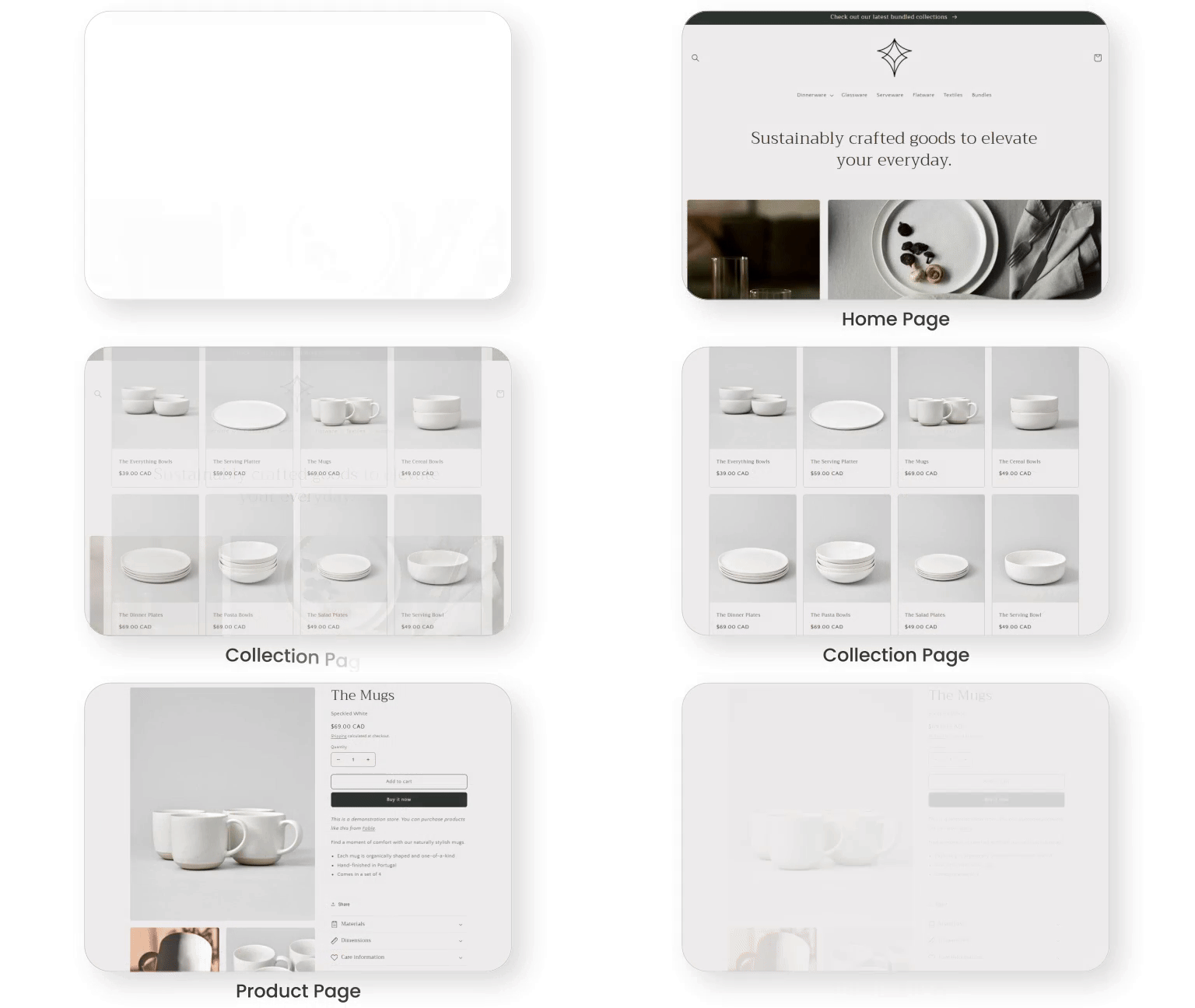
Introduction
When our team reviewed Craft Shopify Theme, the first thing we noticed was how calmly it sells. It is not trying to impress with fireworks, it is trying to win trust with clarity, spacing, and a cozy editorial mood that suits handcrafted and boutique catalogs. One merchant summed up the vibe perfectly: “It’s perfect for my artisanal brand, simple and straightforward.” That sentiment shows up repeatedly, especially among owners who care about clean merchandising and a premium feel without premium theme costs.
Everything feels thoughtfully designed and well balanced.” That was the recurring feeling we had while testing typical Shopify workflows like building a homepage, shaping collection pages, and polishing a product detail page for conversions.
Craft Theme also earns its reputation as one of the highest rated free themes because it keeps the basics strong, then gives you enough flexibility to build your own personality on top. If you sell handmade goods, home decor, jewelry, or small-batch products, Craft often lands in the sweet spot between “too basic” and “too heavy.”
Ideal For Niches With Supporting Features
Choosing a theme is easier when you start with the shopper’s mindset, then match it to the niche signals your store needs. Craft leans into a boutique, curated browsing experience, which naturally supports categories where buyers want to slow down, look closely, and feel confident.
The table below maps niche types to the sections and patterns that help them sell more cleanly on Shopify. Use it as a quick mirror: if your store matches at least three rows, Craft is likely a strong fit.
| Niches | Supporting Features | Why They Matter? |
|---|---|---|
| Handmade and artisanal goods | Editorial spacing, strong typography hierarchy, image-led sections | These products sell on trust and detail, and the layout gives room for craftsmanship to show. |
| Home decor and interiors | Collection grids, collage-style blocks, rich product media | Shoppers compare style and texture quickly, so clean visuals and structured browsing reduce hesitation. |
| Jewelry and accessories | Product detail blocks, variant presentation, minimal distractions | Buyers need clarity on materials, sizing, and finish, and the page flow supports decision-making. |
| Beauty, skincare, and self-care | Collapsible info rows, icons, structured content sections | Ingredient lists, usage notes, and FAQs become easier to scan, which lowers support questions. |
| Gifts, stationery, and small boutiques | Curated collections, featured blocks, simple navigation | Gift buyers move fast, and curated discovery helps them find a “yes” product without friction. |
Presets
Craft is a standalone Shopify theme with no preset library to pick from, which is honestly part of its charm. Instead of choosing a style pack, you shape the look through sections, typography, and color settings. Since it is FREE, merchants can experiment in a safe way, refine the storefront, and publish only when it feels ready.
Key Features And Highlights
Craft looks simple at first glance, but the practical value shows up when you start assembling real pages. The features below are the ones that consistently affect conversion, merchandising speed, and how “premium” the store feels on Shopify. We focused on features that matter in day to day store operations, not checklist fluff that rarely moves revenue. Think of this table as a set of levers: pull the right ones, and Craft becomes dramatically more effective.
| Features | What It Is And Why It Matters? |
|---|---|
| Product information with collapsible rows | This lets you turn long product details into neat, scannable drop-down sections that feel organized. It keeps pages clean while still answering sizing, materials, shipping, and care questions. |
| Metafield connected content blocks | You can structure details like materials, ingredients, or specs once and reuse them consistently across products. This reduces manual editing and keeps your catalog more accurate as it grows. |
| Collection first merchandising layouts | Craft supports a curated browsing experience where collections feel like mini lookbooks instead of plain product dumps. That helps shoppers explore longer, which usually increases add to cart intent. |
| Image led storytelling sections | Large images, clean spacing, and text blocks make it easier to explain “why this product exists” in a persuasive way. “The structure supports clear product storytelling.” is exactly what we saw during page builds. |
| Color scheme system for brand consistency | Color schemes help you keep the store cohesive while still creating contrast for important CTAs and highlights. It is especially useful when you want calm pages but stronger emphasis in key conversion areas. |
| Flexible typography controls | Craft is designed to look refined with strong headline styling, which works well for boutique brands. You can adjust fonts and sizing to match your product category without losing readability. |
| Video support within sections | While not every section is video native, you can add video strategically to product, brand, and education areas. This helps demonstrate texture, scale, and usage, which improves buyer confidence. |
| App block compatibility for reviews and trust tools | You can embed review widgets, badges, or upsell blocks without rewriting theme code in most cases. That matters because Shopify stores often grow by layering apps over time, not by rebuilding themes. |
| Structured navigation and footer controls | Menus, policies, and footer layouts are designed to stay clean, which makes the store feel trustworthy. For brands selling premium handmade items, trust signals matter as much as visuals. |
| Ongoing theme improvements through updates | Many merchants mention that issues get resolved over time and the theme keeps maturing. That matters because Shopify stores are living systems, and stability is part of long term ROI. |
Theme Experience!
Features tell you what a theme can do, but experience tells you how it feels for shoppers and operators. In our testing, Craft repeatedly created a sense of calm momentum: shoppers can browse, evaluate, and commit without getting distracted by clutter.
The table below breaks down the most important “moments” in a Shopify storefront, from first impression to product confidence. If you care about a store that feels boutique and intentional, these experience layers are where Craft shines.
| Experience Area | What Shoppers Feel In Practice? |
|---|---|
| First Impression | The store opens with a calm, curated mood that makes products feel considered rather than mass listed. Shoppers tend to scroll instead of bouncing because the layout feels organized and inviting. |
| Collection Browsing | Categories feel like curated shelves in a studio, not a crowded warehouse aisle. Filters and grids stay visually tidy, so shoppers can compare items quickly without losing context. |
| Product Page Clarity | Details are easier to digest because information can be structured into sections instead of long text walls. This reduces decision fatigue, especially for products with sizing, materials, or usage instructions. |
| Trust and professionalism | Craft’s spacing and typography give a “brand knows what it’s doing” impression even for newer businesses. That matters on Shopify because trust cues strongly influence checkout completion. |
| Mobile shopping flow | The experience stays readable and scannable, which is critical since mobile buyers skim faster. Buttons and content blocks generally feel predictable, so shoppers do not feel lost while browsing. |
| Content and brand storytelling | Craft supports narrative layouts that can explain your craft process, sourcing, or design ethos cleanly. This is valuable when your product is not a commodity and you need meaning to justify price. |
| Visual merchandising polish | Photography feels like the hero, and the theme avoids fighting your images with overly loud design elements. It makes even small catalogs look premium when the photos are consistent and well-lit. |
Performance, Explained!
Craft performs like a theme that values stability and clean rendering, but the mobile report shows one important area to watch. In the provided PageSpeed snapshots, desktop results look excellent, while mobile interaction timing is the main reason the Core Web Vitals status does not pass.
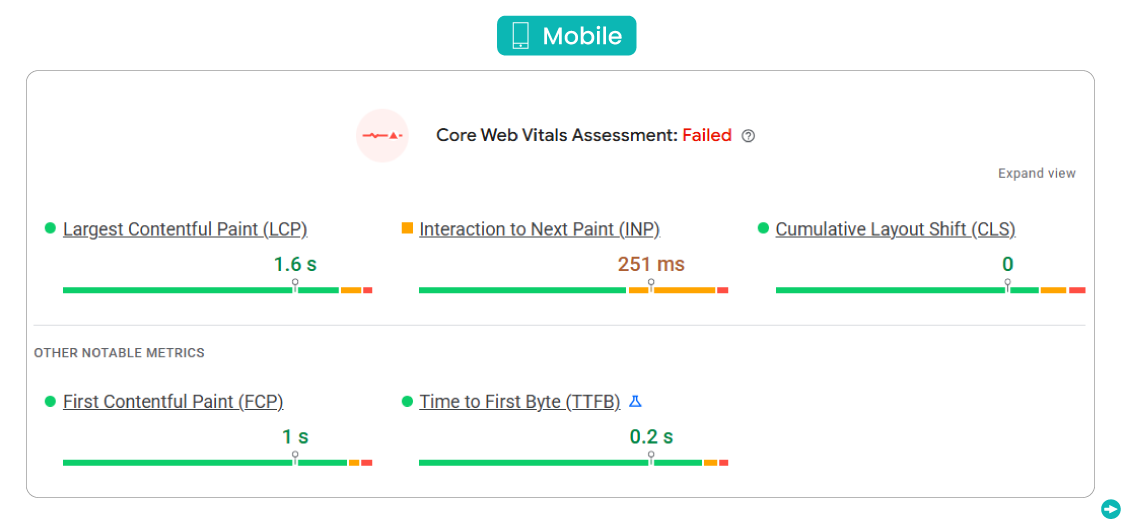
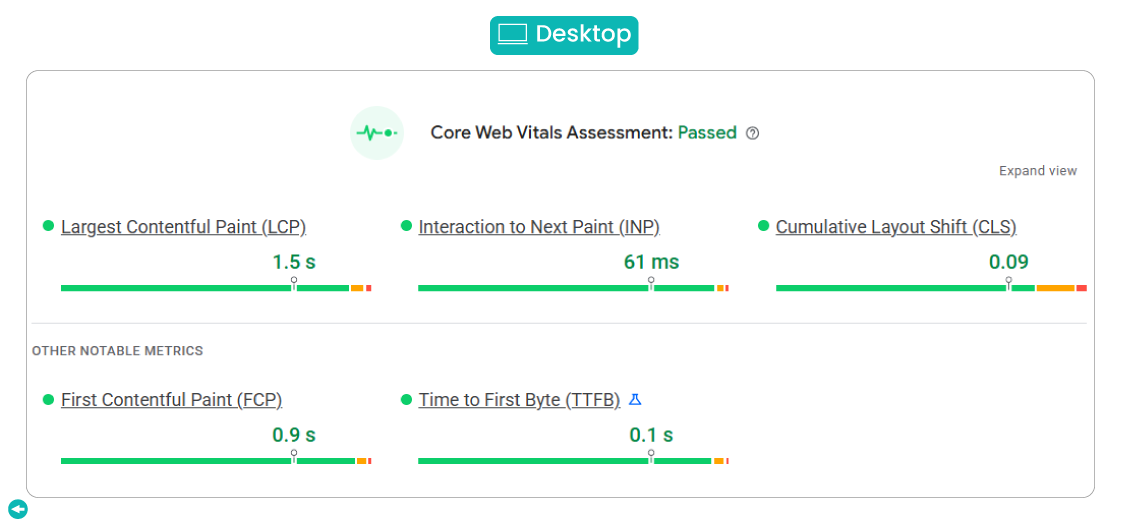
| Performance Parameters | Mobile | Desktop | Remarks |
|---|---|---|---|
| Performance Score | 81/100 | 97/100 | Mobile is solid but not elite, while desktop lands in high performing territory for most Shopify stores. |
| First Contentful Paint (FCP) | 1.0 s | 0.9 s | Excellent early rendering, which helps shoppers feel the page is loading quickly and smoothly. |
| Largest Contentful Paint (LCP) | 1.6 s | 1.5 s | Strong LCP on both devices, suggesting hero and key content can appear without long delays. |
| Interaction to Next Paint (INP) | 251ms | 61ms | |
| Cumulative Layout Shift (CLS) | 0 | 0.09 | Mobile layout stability is excellent, while desktop is still good with minor movement to watch. |
The interaction number is the headline: mobile INP is shown at 251ms, which is close to the “good” zone but still enough to drag the Core Web Vitals assessment into a fail in this snapshot. In practical terms, that means your store can look fast, yet still feel slightly sticky when shoppers tap quickly through menus, variants, or carousels on slower devices.
Merchants who praise Craft often highlight overall smoothness, and one reviewer even noted a major speed improvement after switching from a slower theme, which aligns with Craft’s generally lightweight feel. To protect performance on Shopify, keep image sizes consistent, avoid stacking too many animation heavy apps, and audit third party scripts that load on every page.
Pricing
Craft Shopify Theme is priced at $0, which changes the value equation immediately for most Shopify merchants. You can install it on a storefront, customize it, and only publish when the site feels ready, so you are not forced into a “buy first, regret later” situation.
Licensing is effectively per storefront because each Shopify store installs its own theme setup, and the real cost becomes your time and any apps you choose to add. The smart ROI play is starting with $0, launching with a clean core, and then adding apps only when they solve a proven problem, which can save weeks of trial spending.
Stores Build with Craft Shopify Theme
Seeing real stores helps you understand how a theme behaves outside a demo environment, because merchants make different choices around imagery, navigation, and product layout. It also shows how flexible the theme can be across niches, from home decor to jewelry to small-batch gifts.
The names below come directly from merchants discussing their experience with Craft, so you can recognize the variety of store types the theme supports. If your brand style feels similar to any of these, Craft is more likely to fit naturally.
- Contessa Hair
- LoveGem Studio LLC
- Parisian Crafted
- Campfire Handmade
- Melinawaty
- Pots and Plants
- Maison Fantine
- Sheair Butters
Themes Similar to Craft
Craft is not the only Shopify theme that leans into clean merchandising, but it is one of the most approachable in that style for $0. The alternatives below are chosen based on how they handle imagery, product storytelling, and collection browsing, not just because they are popular.
If you like Craft’s calm, boutique vibe but want a slightly different flavor, these are the closest neighbors. Comparing them also helps you decide whether you want a purely minimal look or a more feature packed commercial layout.
| Shopify Theme | FREE or Paid? | Why is it Similar? |
|---|---|---|
| Origin | FREE | Clean Shopify native structure with flexible sections that can be shaped into many styles. |
| Ride | FREE | Modern, product-forward layouts that work well for brands wanting clarity and simple conversion flow. |
| Studio | FREE | Strong for storytelling and product education, especially when you need structured content blocks. |
| Pitch | Paid | Premium editorial aesthetic for boutiques that want a luxury feel with deeper built-in merchandising tools. |
| Watt | Paid | Good for larger catalogs and structured browsing, while still supporting polished presentation. |
Pros and Cons
No theme is perfect for every merchant, so this section is designed to be practical, not dramatic. We pulled the strongest pros from what merchants repeatedly praise, then balanced them with a few realistic considerations that appear in feedback. The goal is to help you decide faster, not to “sell” you on the theme. If the cons look manageable with simple workarounds, Craft is likely a strong Shopify pick.
| Pros | Cons |
|---|---|
| Boutique style layout makes handmade products feel premium, while keeping navigation simple and readable always. | Some default typography choices run large on smaller screens, but minor tweaks bring balance quickly. |
| Product pages support structured details, helping shoppers understand materials, sizing, and care without scrolling endlessly. | Certain advanced customizations may require support or developer help if you want unconventional layouts. |
| Collection browsing feels curated and calm, which encourages discovery and reduces bounce for visual-first catalogs. | Blog features can feel basic for content-heavy stores, though the general search still helps discovery. |
| Color schemes and sections create consistency, making a new Shopify store look established quickly. | |
| Free pricing removes risk, so merchants can experiment, refine, and launch without sunk theme costs. |
Our Rating
Ratings only matter when the criteria match real store outcomes, so we score based on what influences conversion and operational ease on Shopify. We look at depth of built-in features, how much customization you can do without breaking layout logic, and whether performance is predictable at scale.
We also weigh the cost factor heavily, because themes that reduce app dependency often pay for themselves quickly through simplicity. Use these ratings as a guide, then match them to your catalog size and brand style.
| Parameters | Our Ratings | Summary |
|---|---|---|
| Feature Depth | 4.3/5.0 | Craft Shopify Theme covers the essentials extremely well, especially for product pages and collections. It avoids bloated extras, but still supports structured content that feels premium. |
| Design and Customization | 4.6/5.0 | The design language feels intentional and boutique, and it adapts well across many product categories. Customization is strong when you work within its editorial rhythm instead of fighting it. |
| Performance | 4.2/5.0 | Desktop results are excellent, and the theme generally renders cleanly with stable layouts. Mobile interaction timing needs attention, especially if you add heavy apps or complex animations. |
| Value for Money | 5.0/5.0 | At $0, the value is hard to argue with because the theme can produce a paid-look storefront with smart setup. Most merchants will feel the savings immediately by delaying unnecessary app purchases. |
| Support and Updates | 4.1/5.0 | Merchants frequently mention getting guidance through Shopify support channels when things feel confusing. Updates tend to improve stability over time, which matters for long-term store confidence. |
| Overall | 4.6/5.0 | Craft Shopify Theme is one of the strongest free choices for brands selling curated, design-led products. It is especially compelling when you want a calm aesthetic with enough flexibility to grow. |
User Reviews: What Merchants Say
Across merchant feedback, the most common theme is calm satisfaction rather than hype. Many owners describe Craft as clean, stylish, and easy to live with once the basics click, which is exactly what a free Shopify theme should aim for. Several comments show merchants wanting the demo look instantly, then realizing Craft is meant to be shaped with their own assets. That learning curve is real, but it is not the kind that forces a rebuild when you approach it methodically.
A second pattern shows up around content structure, especially blogs and product detail presentation. Merchants frequently ask for more advanced blog controls or richer blog search behavior, which signals that Craft is stronger as a commerce-first theme than as a publishing-first platform. On the product side, questions often revolve around variants, featured images, and how to structure details so they appear where shoppers expect. These are solvable, but they require understanding templates, sections, and how Shopify organizes page components.
Positive reviews also reveal something interesting: what merchants do not complain about is the overall look. Even when someone hits a limitation, they rarely say the storefront looks cheap, and that matters for conversion. One merchant captured the emotional payoff clearly: “This theme is so powerful and beautiful.” That kind of reaction is why Craft stays near the top of the free-theme shortlist for many Shopify store owners.
Our Verdict
Craft Shopify Theme is a standout choice when you want a boutique storefront that feels curated, calm, and credible from day one. It is especially strong for handmade, artisanal, home decor, jewelry, and gift brands where product presentation carries most of the persuasion. The $0 price makes it easy to start, but the real win is that it can still feel premium when you configure it thoughtfully.
From a conversion perspective, Craft’s strength is clarity: clean collection browsing, structured product details, and a design language that does not fight your photography. Performance is also a plus overall, with excellent desktop results and strong paint metrics, though mobile interaction timing is the number to watch. If you keep apps lean and media optimized, Craft can remain smooth as you scale.
If your brand benefits from editorial storytelling and a polished minimal aesthetic, Craft is an easy recommendation on Shopify. Build your key pages first, test on mobile like a real customer, then publish with confidence. Craft rewards merchants who treat setup like a craft process too: patient, intentional, and focused on the details.
Who Should Not Buy Craft
Craft is not the best fit if your brand demands loud, experimental layouts or constantly changing page structures that break the editorial rhythm. Stores with very large catalogs that rely on advanced filtering, complex merchandising rules, or heavy automation may outgrow the built-in simplicity faster. If your visuals are inconsistent or low-quality, the theme’s image-first nature can also expose that weakness instead of hiding it.
It is also not ideal if you plan to run a content-heavy blog as the center of your marketing engine, because the blogging experience can feel basic compared to themes built for publishing. Merchants who want radical product-page behavior across many unique templates may need extra development or careful template planning. In those cases, consider a more feature-heavy paid Shopify theme, or pick a free option that better matches your workflow style.
GET THE BEST APPS IN YOUR INBOX
Don't worry we don't spam