Arrok Shopify Theme Review: Clean Fashion Pages That Convert Calmly
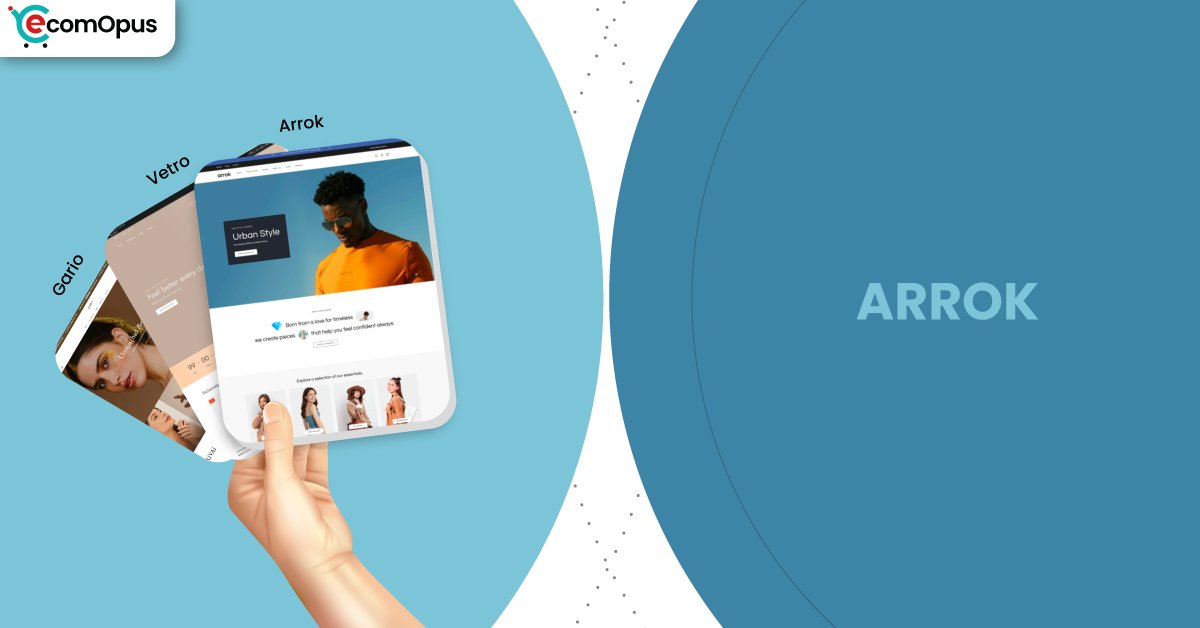
Arrok is a bold, modern preset with shoppable lookbooks, sticky cart patterns, and streamlined discovery tools, helping premium brands guide shoppers from browsing to checkout without visual noise.
- Bold fashion grid with clean visual rhythm
- Sticky cart actions keep buying intent visible
- Lookbooks and hotspots make images shoppable fast
- Promo tiles and badges guide smart browsing
- Filters, swatches, and search reduce shopping friction
- Support reputation lowers setup stress significantly early

Introduction
Arrok is a preset inside the Vetro theme family, built for merchants who want a fashion-forward storefront that still feels disciplined. The layout leans clean and confident, using spacing and hierarchy to keep products in focus. It is designed for fast browsing, but it still leaves room for story-driven merchandising and brand-led content blocks. If your brand cares about presentation, Arrok gives you structure without stealing the spotlight.
What makes Arrok interesting is how it sells quietly. Instead of relying on loud popups, it uses native tools like sticky cart, quick view, and recommended products to keep shoppers moving. The navigation patterns support exploration through search, filters, and swatches, while the merchandising blocks support decision-making at the moment of doubt. You can build a premium vibe without turning the homepage into a crowded billboard.
In this review, Team eComOpus focuses on the real workflow: how the preset handles navigation, product media, merchandising, and performance. We also lean on merchant feedback to understand what happens after purchase, not just during the demo phase. That includes how support feels when you are customizing sections under deadline, and how quickly you can ship changes during promos. If you want a premium look with practical conversion helpers, Arrok is worth a serious look.
Ideal For Niches With Supporting Features
Arrok fits best when visuals and clarity do the heavy lifting. It works when shoppers want to browse and commit without losing context. The niche fit is less about the label and more about how much your product relies on presentation and comparison. The table below highlights where Arrok’s built-in features tend to create the smoothest buying experience.
| Niches | Supporting Features | Why They Matter? |
|---|---|---|
| Fashion and streetwear | Lookbooks, hotspots, swatches, mega menu | Fashion shoppers buy mood before details. Shoppable imagery and swatches keep decisions fast and confident. |
| Beauty and skincare | High-resolution media, tabs, ingredient-style blocks | Trust comes from clarity and proof. Structured details keep routines and benefits readable without clutter. |
| Jewelry and accessories | Image zoom, badges, recommended products | Tiny details decide the sale here. Zoom and badges elevate perceived value while recommendations lift bundles naturally. |
| Home decor and lifestyle | Filtering, slideshow, promo tiles, infinite scroll | Decor buyers compare styles across many items. Strong discovery tools keep exploration smooth and organized. |
Presets
Arrok is one of three presets in this theme family, and that matters because you are not locked into one look. Presets are essentially starting aesthetics built on the same section system, so you can change direction without throwing away your structure. They also reveal what the theme values, whether it is beauty polish, fashion boldness, or jewelry-level detail. Here’s a practical view of how the preset trio differs.
| Preset | Aesthetic Vibe | Where It Shines | Noteable Tweaks |
|---|---|---|---|
| Arrok | Clean, bold, fashion editorial | Apparel, lifestyle, image-led collections | Strong grid rhythm with punchy heroes. |
| Vetro | Refined, glossy, beauty-forward | Skincare, cosmetics, wellness, boutique brands | Detail sections feel “product ritual” ready. |
| Gario | Luxe minimal with jewelry polish | Jewelry, accessories, premium giftables | Emphasizes product detail and elegant spacing. |
Key Features And Highlights
Arrok includes many features, but the ones that matter most are the ones that reduce friction without changing your brand voice. The theme leans into strong discovery, controlled merchandising, and checkout confidence. It also includes several visual selling tools that can replace small app add-ons if you use them thoughtfully. Below are the highlights that most directly affect real shopper behavior.
| Features | What It Is And Why It Matters? |
|---|---|
| Sticky cart | Keeps the next step visible while scrolling. It prevents drop-off when shoppers lose the cart icon. |
| Slide-out cart | Lets shoppers edit cart contents without leaving the page. It keeps browsing momentum intact near checkout. |
| Lookbooks | Turns lifestyle imagery into a shoppable story. It helps sell outfits and sets as a complete idea. |
| Image hotspots | Makes one image behave like a mini-collection. It is ideal for editorial scenes with multiple products. |
| Quick view | Speeds up comparison from collection grids. Shoppers explore more products before fatigue sets in. |
| Mega menu | Handles deeper catalogs without messy navigation. It keeps categories discoverable without overwhelming the header. |
| Product filtering and sorting | Helps shoppers self-serve by size, color, and intent. Faster finding often means fewer bounces. |
Theme Experience!
A theme’s value shows up in the lived experience of browsing, not in the feature list. Arrok feels designed to keep attention moving in a calm, predictable way. It also supports merchants who update often, because the structure stays readable when you add new collections and promotions. The table below breaks down the experience areas that usually influence trust, conversion, and repeat visits.
| Experience Area | What Shoppers Feel In Practice? |
|---|---|
| Homepage flow | The page feels curated and easy to read. Shoppers find collections quickly without guessing where to start. |
| Collection browsing | Filters and swatches make narrowing choices effortless. The browsing experience stays organized during long sessions. |
| Product page comfort | Media and details are structured, not chaotic. Shoppers get answers at the moment they need them. |
| Cart confidence | Sticky and slide-out cart patterns reduce uncertainty. Checkout feels like a choice, not a trap. |
| Brand storytelling | Lookbooks keep storytelling connected to shopping. The store feels editorial while remaining conversion-ready. |
Performance, Explained!
Arrok’s desktop results point to an overall fast, stable browsing experience that should feel responsive during normal shopping. Mobile stability is excellent, but interaction timing is the lever that can shift when you add heavy scripts or app-driven widgets. In practice, the theme can feel premium and smooth, as long as you keep your build intentional.
The measurements below translate into shopper patience and confidence. LCP and FCP reflect how quickly the page “shows up,” while INP reflects how instant taps and swipes feel during browsing. CLS measures layout stability, and Arrok performs well there, which helps reduce accidental clicks. Use the table to spot which metric to prioritize first as your catalog, media, and app stack grows.
| Performance Parameters | Mobile | Desktop | Remarks |
|---|---|---|---|
| Performance Score | 73 | 94 | Desktop feels quick in normal browsing. Mobile can feel slower when pages become interaction-heavy. |
| Core Web Vitals Assessment | Failed | Not Applicable | Mobile issues usually come from competing scripts. Keeping apps lean often improves passing results. |
| Largest Contentful Paint (LCP) | 2.4 s | N/A | Main content appears quickly enough to keep attention. Hero images still need compression and smart sizing. |
| Interaction to Next Paint (INP) | 210 ms | 82 ms | Desktop interactions feel immediate and smooth. Mobile taps can lag if too many features run at once. |
| Cumulative Layout Shift (CLS) | 0 | 0.07 | Mobile layout is extremely stable and polished. Desktop remains stable with only minor, occasional movement. |
| First Contentful Paint (FCP) | 1.7 s | 1.9 s | Shoppers see content early, reducing impatience. It helps the storefront feel responsive from first scroll. |
| Time to First Byte (TTFB) | 1.1 s | 0.2 s | Mobile server response is acceptable, not elite. Faster hosting and fewer heavy apps can improve it. |
Pricing
Arrok is priced at $280, and that purchase unlocks the full preset trio within the Vetro theme family. In the paid theme landscape, it competes with premium options that often cost more, so the value comes down to how much you use its native selling tools. If you rely on lookbooks, sticky cart behavior, badges, promos, and strong discovery features instead of stacking multiple third-party apps, the total cost of ownership tends to feel lower over time. For merchants who update collections often and want dependable support, the purchase behaves more like a platform decision than a one-time design expense.
Stores Build with Arrok Shopify Theme
Live examples help confirm whether a preset holds up with real catalogs and real photography. They also reveal whether navigation stays clean when merchants add pages, promotions, and seasonal collections. Arrok’s theme family is already used by a few storefronts that lean product-forward and minimal. Here are some live stores currently using this theme family.
- Teva Organics
- Mancave Backyard
- HW Pharma
- Balissima Cosmetics
Themes Similar to Arrok
Arrok sits in the premium, modern category where clean design meets practical merchandising. If you like an editorial feel with conversion-friendly structure, there are several themes that tend to be cross-shopped in the same decision set. The differences usually show up in animation style and catalog handling. Here are a few options that often share the same intent.
| Shopify Theme | FREE or Paid? | Why is it Similar? |
|---|---|---|
| Prestige | Paid | Prestige also emphasizes luxury presentation and clean hierarchy. It is a strong alternative when brand polish is the primary goal. |
| Symmetry | Paid | Symmetry balances a fashionable look with catalog organization. It’s a close match when you need scalable collection browsing. |
| Impulse | Paid | Impulse is designed for high-browse catalogs with strong discovery. It’s comparable when filtering and collection UX drive conversion. |
Pros and Cons
Arrok has a clear personality, and that is helpful because it makes the choice easier. It is built for merchants who want calm confidence, not a chaotic showroom. The preset includes enough native tools that you can often simplify your app stack, which supports better mobile behavior. Here are the strongest advantages and the most common limitations to consider.
| Pros | Cons |
|---|---|
| Premium layout looks curated instantly. It makes products feel intentional. | Mobile can slow with heavy apps. Too many scripts reduce tap responsiveness. |
| Lookbooks sell outfits as stories. Hotspots keep stories shoppable. | Weak photography gets exposed quickly. The design depends on visuals. |
| Sticky cart supports quick checkout. It keeps intent visible while scrolling. | |
| Discovery tools reduce browsing friction. Filters and swatches speed decisions. |
Our Rating
Ratings are only useful when they reflect how a theme behaves after launch. Arrok scores well because it blends premium design with conversion helpers that feel native. The one area that needs discipline is mobile interaction, because apps and scripts can erode responsiveness over time. Below is how Team eComOpus rates Arrok across the categories that typically decide long-term satisfaction.
| Parameters | Our Ratings | Summary |
|---|---|---|
| Design Quality | 4.7/5.0 | Premium spacing and hierarchy feel editorial. Products look curated even with larger collections. |
| Ease Of Setup | 4.6/5.0 | Sections are approachable once you set a structure. Editing stays predictable during frequent updates. |
| Conversion Features | 4.6/5.0 | Sticky cart and quick view support intent gently. Merchandising tools reduce the need for extra apps. |
| Mobile Experience | 4.3/5.0 | Layout stability is excellent on phones. Interaction depends on keeping scripts and apps controlled. |
| Support And Updates | 4.8/5.0 | Support is repeatedly praised as fast and helpful. That reliability lowers risk during launch and iteration. |
User Reviews: What Merchants Say
Merchant feedback around this preset family is overwhelmingly positive, and the pattern is consistent. Reviews repeatedly praise fast, enthusiastic support, and some even mention team members by name. That matters because setup stress is one of the biggest hidden costs of a paid theme. In short, merchants feel looked after while they build.
Merchants also call out the theme’s clean, minimal style and its smooth browsing feel. Built-in tools like sticky add-to-cart, before/after sliders, and media-friendly sections show up often in feedback. One merchant notes the options can feel like “a lot” at first, but become manageable once support points you to the right settings. The takeaway is simple: Arrok feels like a polished storefront plus a dependable support experience.
Our Verdict
Arrok is a strong recommendation for merchants who want a bold, modern storefront that still feels controlled and conversion-ready. It looks premium, but it also gives you practical tools like sticky cart patterns, lookbooks, and strong discovery features. The experience is designed to sell quietly, not shout.
Team eComOpus sees the best fit for apparel, accessories, beauty, and lifestyle stores that rely on imagery and frequent merchandising updates. Keep your pages focused and your app stack lean, and you get a stable mobile experience alongside excellent desktop speed. That balance is where Arrok earns its price.
If you want a preset that makes your store feel established, stays organized as collections grow, and is backed by praised support, Arrok is a smart buy. You are paying for polish, but you are also paying for fewer setup headaches. For most merchants, that peace of mind is a real ROI.
Who Should Not Buy Arrok
Arrok is not ideal for merchants who want a highly experimental site with unconventional navigation, constant motion, or a maximalist collage aesthetic. The preset is designed to feel editorial and structured, so brands that thrive on chaotic energy may feel boxed in. If you want your homepage to behave like an interactive campaign page, you might prefer a theme that leans harder into animation. Arrok will feel “too composed” for brands that want deliberate chaos.
It may also be a poor fit for merchants who plan to stack many conversion apps, popups, and script-heavy widgets immediately. Mobile interaction is the most sensitive part of the performance profile, so an aggressive app stack can quickly undo the “premium and smooth” feel. Arrok works best when its native selling tools do most of the work and everything else is added sparingly. If your strategy depends on constant overlays and heavy third-party scripts, choose a build that is designed for that style.
GET THE BEST APPS IN YOUR INBOX
Don't worry we don't spam